Living in Glendale AZ: Homes, Parks and Dining Guide
March 24, 2026
March 24, 2026
If you picture your day starting with a desert sunrise hike, grabbing coffee in a walkable historic district, and catching a game-night dinner under bright lights, Glendale might fit your life. You want a place that feels practical during the week and fun on the weekend. In this guide, you’ll see how homes, parks, dining, and local events come together to shape everyday life in Glendale. Let’s dive in.
Glendale is a West Valley city with roughly a quarter million residents and a median household income near 73,500 dollars, according to the latest U.S. Census QuickFacts for Glendale. The city sits about 8 to 10 miles northwest of downtown Phoenix. The typical commute averages about 27 to 28 minutes, which tracks with a car-oriented metro and event-day surges near the stadium district. You can get a quick regional feel from the Metro Phoenix Alliance community profile for Glendale.
Short take: Glendale blends a historic core, a big-league entertainment scene, and suburban neighborhoods. It lands in the mid-range for household income and housing costs within the West Valley.
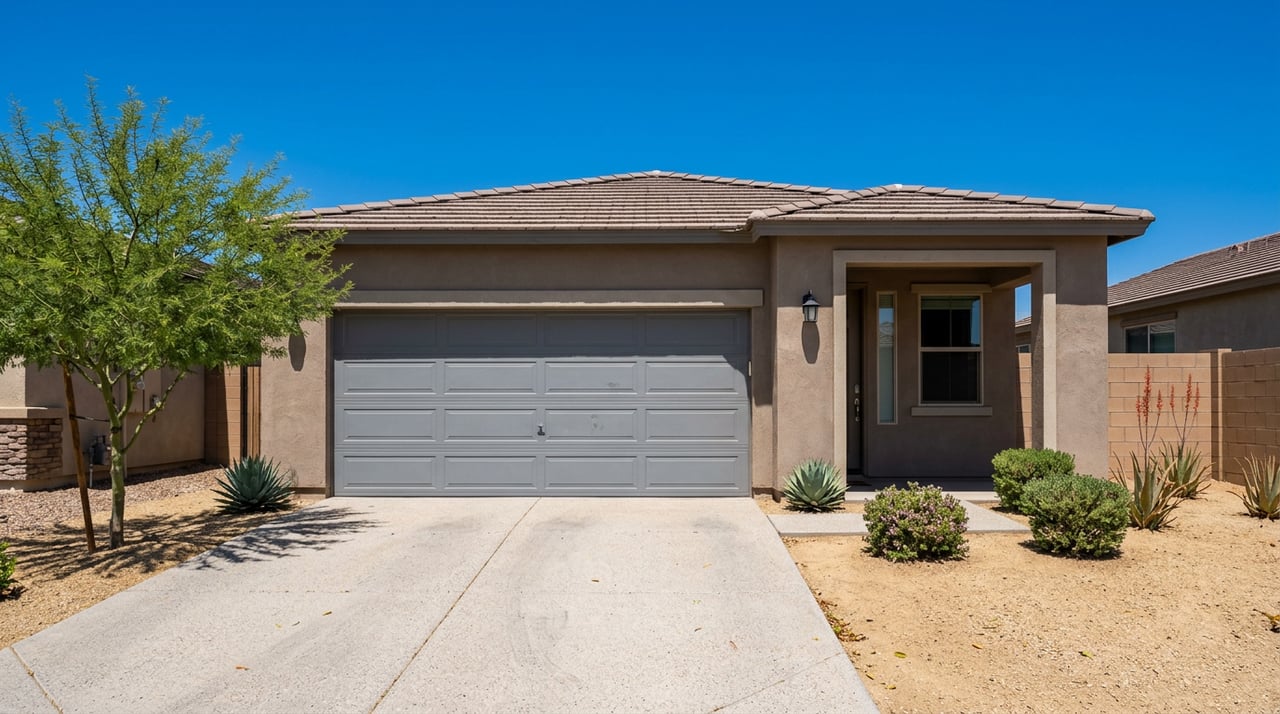
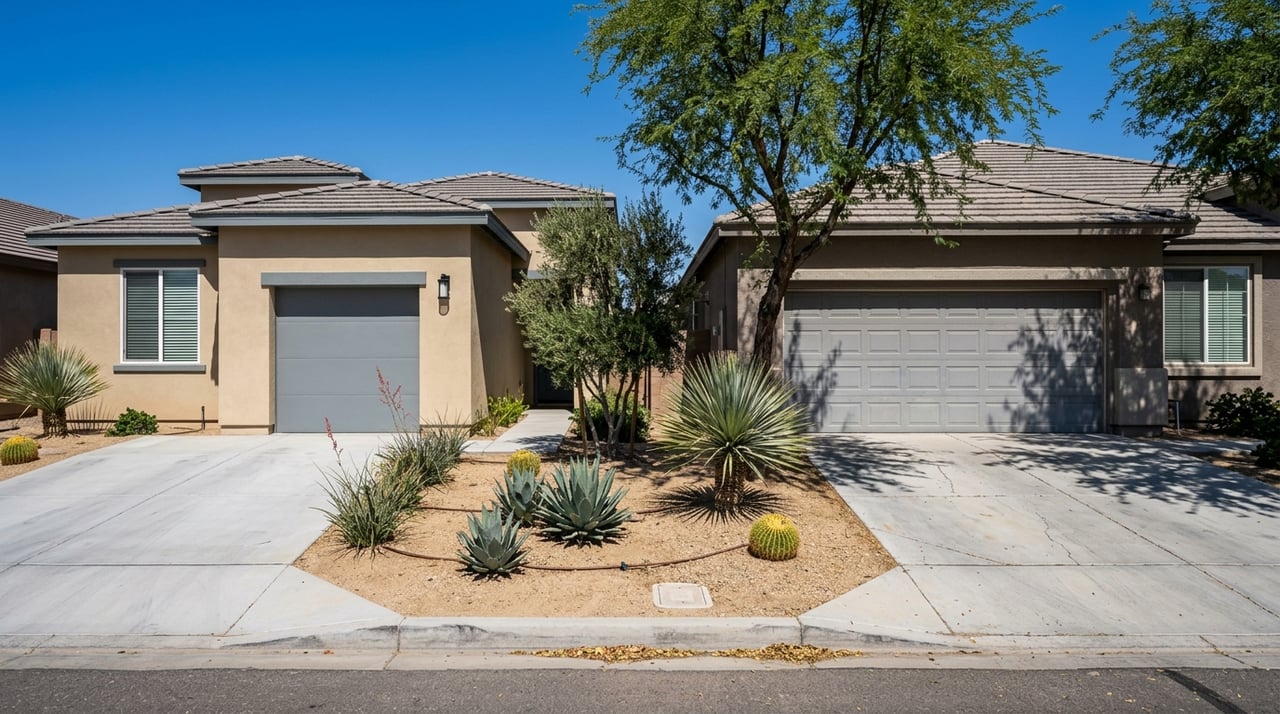
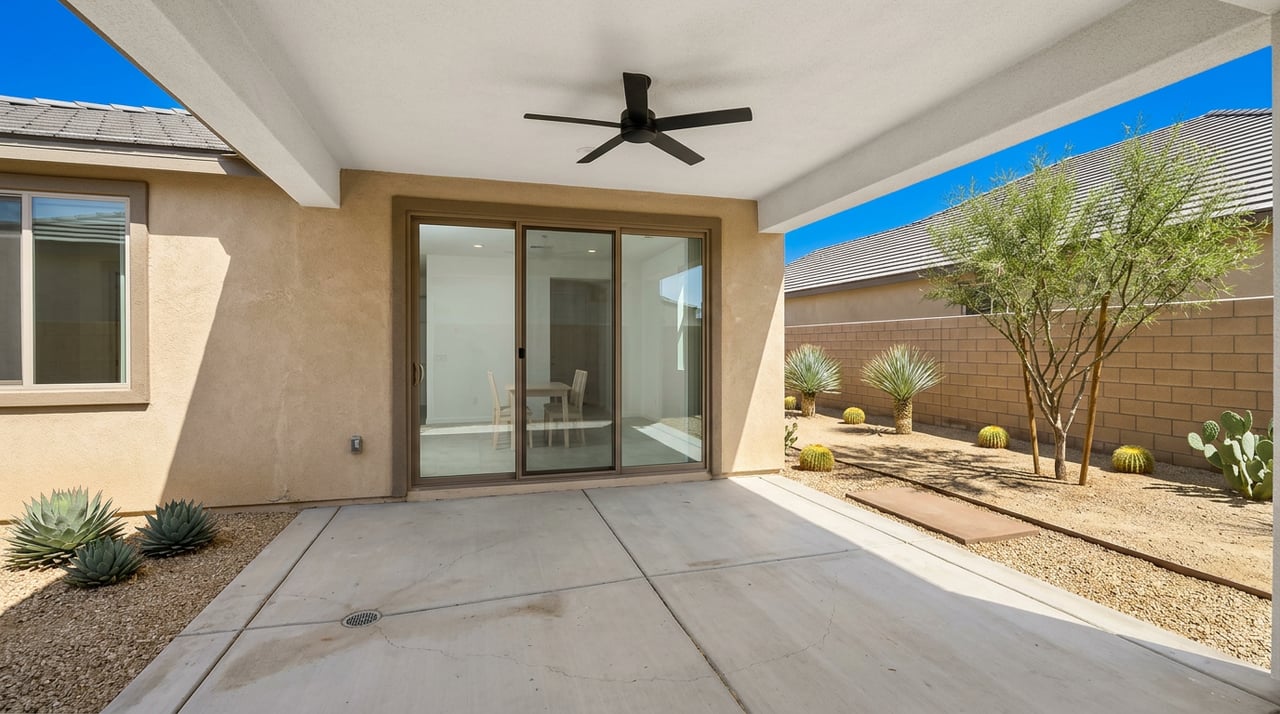
You will find a mix of housing styles and timelines. Near Historic Downtown, homes include early bungalows and smaller lots with tree-lined streets. Farther west and north, you will see mid-century subdivisions and later master-planned communities. Near Westgate and the Sports & Entertainment District, there is denser development, condos, and rental options that appeal to people who like to be close to events.
City-level market trackers often place Glendale’s median home values in the high 300s to low 400s, depending on the data source and month. Prices vary by neighborhood and property type. If you are comparing areas, check current snapshots on your tour day and plan for differences between single-family homes and condos.
If you like character homes and a slower daytime rhythm, the Historic Downtown area and Catlin Court offer tree-lined blocks, boutique shops, and seasonal events. It is a compact, walkable core with small cafés and independent businesses. Browse the feel of the district through the Catlin Court historic shopping and dining area.
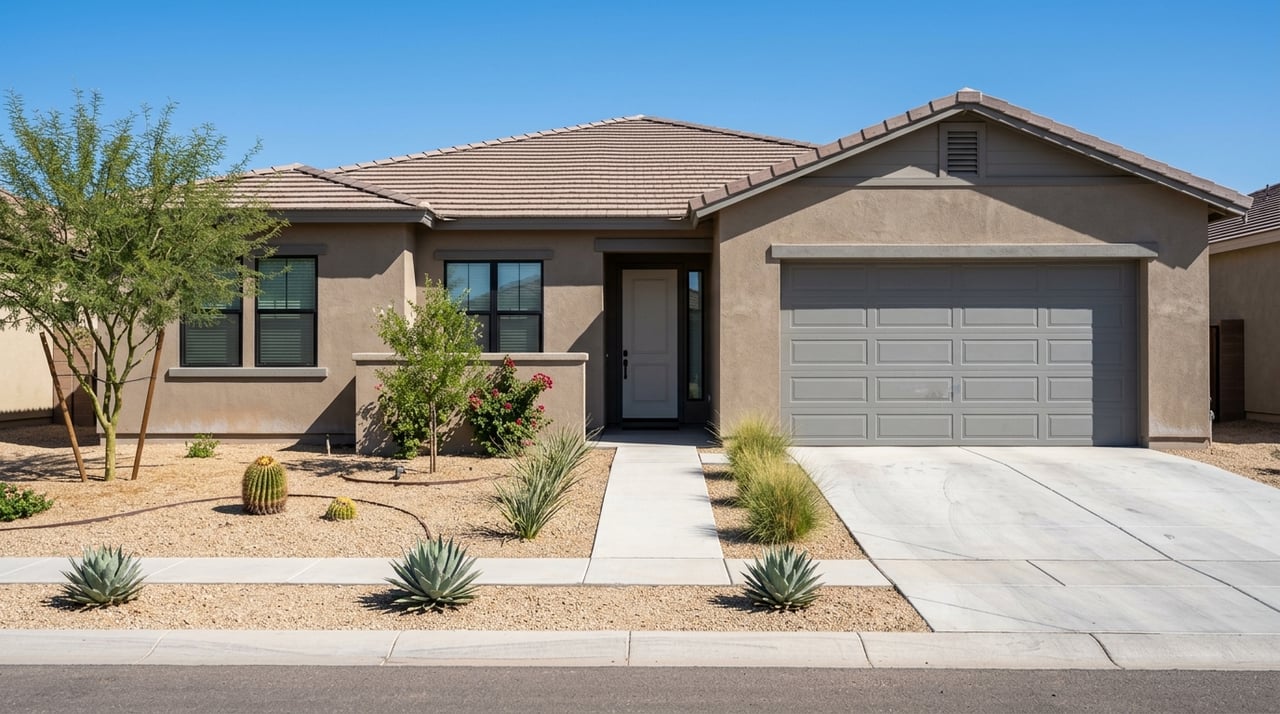
North and west of downtown, you will find larger subdivisions with typical suburban layouts, nearby retail, and community parks. These areas can offer more recent construction, varied floor plans, and convenient access to major arterials for commuting.
Closer to State Farm Stadium and Westgate, expect condos, townhomes, and apartments mixed with newer single-family enclaves. This area feels lively on event nights and quieter during weekdays. If you prefer to avoid game-day traffic, consider streets that bypass the core or homes a few minutes outside the tight stadium radius.
Local coverage notes ongoing efforts to add affordable and multifamily units. For example, Axios covered a Dominium affordable-housing project in Glendale. As projects deliver, entry-level buyers and renters could see more choices in specific neighborhoods.
Glendale’s parks system makes it easy to get outside before or after work. Two places anchor the experience:
You will also find linear parks and paths for everyday routines, including the Grand Canal and Skunk Creek corridors. Community pools and splash pads help families stay active during the warm months.
Seasonal tip: Spring and fall feel best for midday hikes. In summer, go early, carry water, and plan shaded activities by late morning.
Glendale’s dining scene splits into two main clusters that serve different moods.
Local flavor to try:
Glendale shines during festival season. The city’s official calendar features recurring favorites like Glendale Glitters, the Glendale Chocolate Affaire, Folk and Heritage Festival, and seasonal music events. Dates shift each year, so check the City of Glendale events calendar when you plan.
Sports and concerts shape weekends too. State Farm Stadium hosts NFL games, college bowl games, major concerts, and the occasional national event. Event pulses bring crowds to Westgate and nearby hotels. For context on visiting the venue, see State Farm Stadium visitor info. In spring, Camelback Ranch draws baseball fans for Dodgers and White Sox spring training, creating a strong March and early April season. Here is a recent note on Camelback Ranch spring training context.
For weekdays, most residents drive. The average commute runs around 27 to 28 minutes. On event days, plan extra time if you live or dine near the Sports & Entertainment District. Many locals simply shift errands or use alternate routes during pre-game windows.
Quick tips:
Glendale has multiple K to 12 districts that serve different parts of the city, and options vary by address. For higher education and workforce pathways, Glendale Community College provides degree programs, community classes, and local partnerships.
Healthcare networks, retail centers, and hospitality are steady employers. Defense and aerospace play a regional role with nearby Luke Air Force Base. These sectors, combined with the stadium district, support a broad mix of service and professional jobs.
Want to feel the rhythm of a day in Glendale? Try this simple route:
Choose Glendale if you want a city that balances suburban convenience with a historic core and a major entertainment scene. You can hike real desert trails without leaving town, grab lunch on a shaded patio, and enjoy big-league nights a short drive away. Housing spans character homes, classic subdivisions, and newer enclaves, which gives you room to match your lifestyle and budget.
If you are planning a move, you deserve a local guide who helps you compare neighborhoods, time the market, and plan a smooth transition. For one-on-one advice and a plan tailored to you, connect with Erica Cherry. We will map your goals, tour the right homes, and make your next step feel easy.
Stay up to date on the latest real estate trends.
Looking to buy, sell, or just have a question? I'm always available to help and would love to work with you. Contact me today to start your home searching journey!