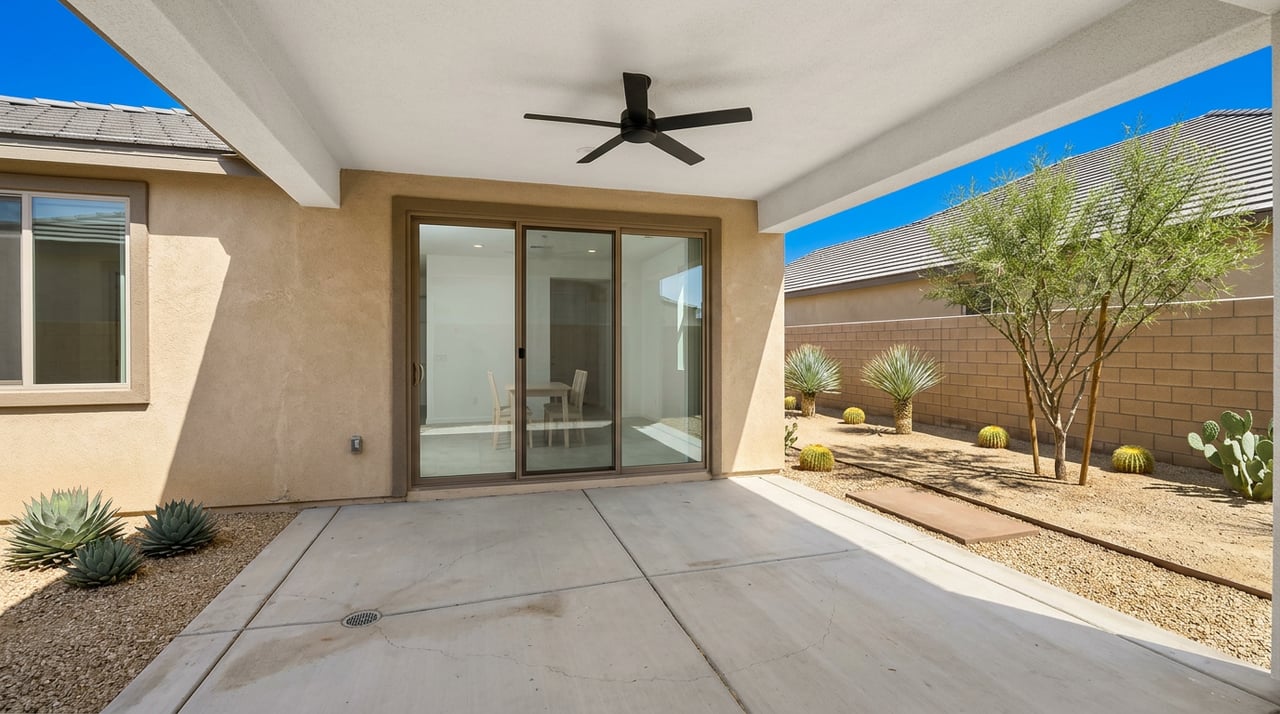
Peoria AZ VA Home Buying: How to Use Your Benefits
March 5, 2026
March 5, 2026
You earned your VA home benefits. Now you want to put them to work in Peoria without surprises or delays. With the right plan, you can buy with little or no money down, keep monthly costs in check, and move in on your timeline. In this guide, you will learn how VA loans work in Peoria, what to watch for with HOAs and condos, the exact steps from preapproval to closing, and how to avoid common pitfalls. Let’s dive in.
Your Certificate of Eligibility confirms you qualify for a VA loan. You or your lender can request it online, by mail, or through a lender request. See how to get your COE on the VA’s site in the section on how to request a COE.
With full entitlement, you are not limited by county conforming loan limits for VA guaranty purposes. Lenders still approve you based on income, credit, and the home’s appraised value. As of January 2026, the median sale price in the city of Peoria is about $535,000. Many single‑family homes fall within a range that is comfortably financeable for qualified buyers using full entitlement. If you have reduced entitlement or a lender overlay, ask your lender to run the numbers early.
Most VA buyers pay a one‑time funding fee that varies by service history, first or subsequent use, and down payment. You can usually finance the fee into your loan or pay it at closing. In 2026, VA noted that funding fees for purchase loans may be tax‑deductible. Your tax situation is personal, so talk with a tax advisor.
The VA allows seller credits toward your costs. Typical closing costs like title, escrow, and recording do not count against the 4% seller concession cap. Items like paying your funding fee, paying off debts, or large prepaid items can count toward that 4% limit. Structure credits carefully with your agent and lender.
A VA appraisal confirms market value and checks Minimum Property Requirements, which focus on safe, sound, and sanitary conditions. The appraisal is not a full home inspection. You should always hire a licensed inspector. If the appraiser flags repairs, the work may need to be finished before closing. If the Notice of Value comes in low, you can renegotiate, bring cash for the gap, or pursue a Reconsideration of Value with your lender.
VA purchase loans require you to certify you will occupy the home as your primary residence. Lenders use a standard occupancy certification at closing. VA loans can also be assumable with approvals, which may help resale value later, but be sure you understand how assumptions affect your entitlement before you sell.
Peoria has many master‑planned communities and active HOA neighborhoods, including amenity‑rich areas like Vistancia. HOA dues often run in the low hundreds per month, and listings in amenity zones commonly show about 280 to 400 dollars monthly, sometimes with added transfer fees or quarterly assessments. Lenders include HOA dues in your total housing expense and in the VA residual‑income calculation, so higher dues can reduce your purchasing power.
For condominiums and some townhomes, the entire project must be VA‑approved. If a unit you love is not approved, your lender can request VA review, but that adds time and is not guaranteed. If you plan to shop condos, check VA approval status early and have your agent gather project documents, budgets, reserve studies, renter ratios, and any litigation updates.
Maricopa County’s effective property‑tax rates are often lower than the national average. Your exact tax depends on assessed value, exemptions, and local levies. Your lender will estimate taxes for your PITI payment, but you can review parcel‑level information and payment details through the county.
House‑hunt with a VA‑savvy agent. If you are considering condos or HOA communities, confirm condo approval status and request HOA documents early. For single‑family homes, your agent should review recent sales to support your offer price and help you plan for appraisal.
Write a VA‑ready offer. Include an appraisal contingency, a right to review HOA documents, and an inspection contingency. Even though the VA appraisal checks MPRs, a full home inspection protects you.
Appraisal and Notice of Value. Your lender orders the VA appraisal. The VA issues a Notice of Value that sets the VA‑recognized value and lists any repair conditions. If the value is below the contract price, you can negotiate a price reduction, pay the difference in cash, or ask your lender about a Reconsideration of Value.
Underwriting and residual income. VA underwriting focuses on your residual income after taxes, housing, utilities, and debts. Debt‑to‑income ratio matters, but residual income often carries more weight. If your DTI is high, underwriters may look for compensating factors like savings, strong credit history, or higher residual income.
Common documents to gather:
Questions for lenders:
Questions for your agent:
You deserve a smooth, disciplined process from first conversation to keys in hand. With deep West Valley expertise and veteran‑focused guidance, you get clear steps, quick communication, and strong advocacy at every stage. If you want a local advisor who understands VA lending, HOAs, and Peoria’s neighborhoods, reach out to schedule a plan that fits your goals and timeline.
Ready to move forward with a clear path to closing? Connect with Erica Cherry for a no‑pressure consult and next steps.
Stay up to date on the latest real estate trends.



Looking to buy, sell, or just have a question? I'm always available to help and would love to work with you. Contact me today to start your home searching journey!